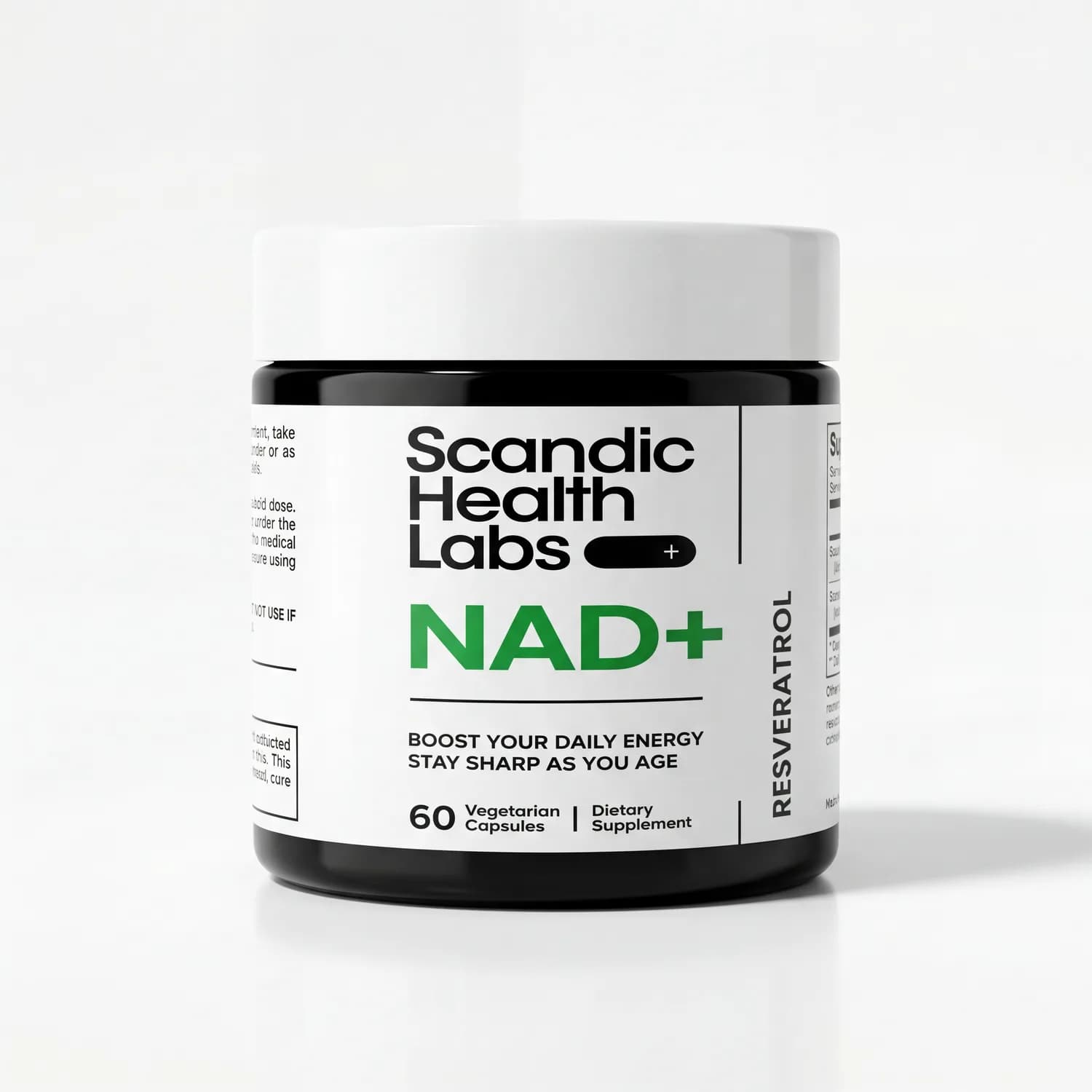



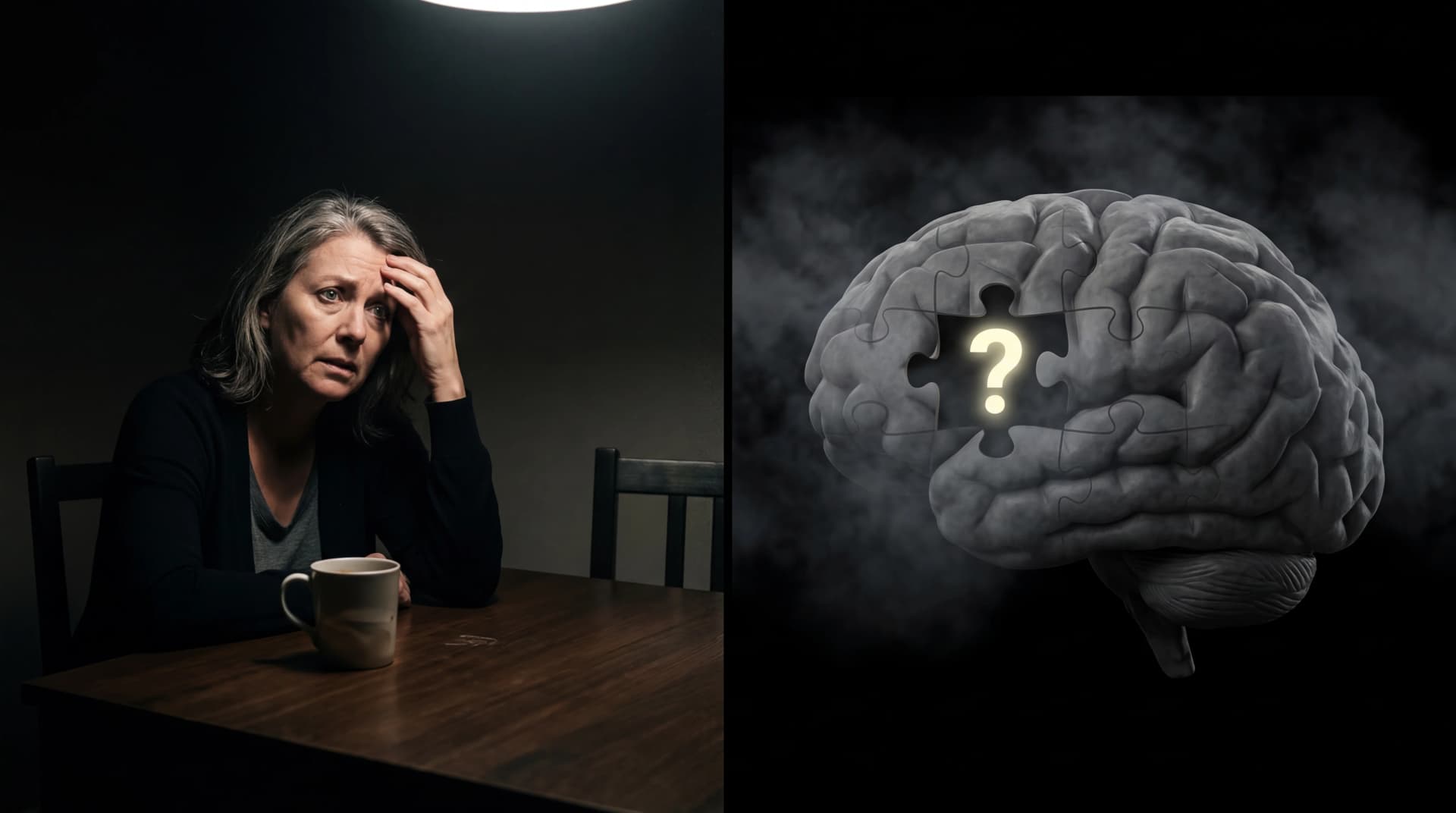
The word is right there.
You can feel it. It's on the tip of your tongue. You can almost see the shape of it. But it won't come.
Your colleague is looking at you. The pause is stretching. You say "the thing — you know — the..." and wave your hand, hoping they'll fill in the blank.
They do. You laugh it off. But inside, something tightens.
Because this is the third time today.
You walked into the kitchen twenty minutes ago and stood there, staring at the fridge, with no idea why you came in. You opened your laptop to send an email and forgot who it was for. You called your daughter by your son's name. Again.
If you're over 35 and this is starting to feel familiar — keep reading. What I'm about to share changes how you understand what's happening.
I'm the Researcher. And It Happened to Me.
I'm Dr. Sarah Mitchell. I've spent 14 years studying how the brain produces energy at Stanford University School of Medicine.
Three years ago, at 46, I was presenting at a conference in Boston. Mid-sentence, in front of 300 colleagues, I lost a word. Not a difficult word. A word I've said ten thousand times in my career.
I stood at the podium, mouth open, and it was gone. Like someone had reached into my head and pulled it out.
"That night, in my hotel room, I typed something into Google that I'd never typed before: 'Early signs of dementia age 46.'"
— Dr. Sarah MitchellI wasn't being dramatic. I was scared. My father had been diagnosed with early-onset dementia at 52. I watched him go from the sharpest man I knew to someone who couldn't remember his grandchildren's names. I had promised myself it would never happen to me. Now, at 46, it felt like it was starting.
For months I'd been losing words mid-conversation. Forgetting why I'd walked into rooms. Reading the same paragraph three times without it sinking in. Writing post-it notes for things I'd never had to write down before.
I told myself it was stress. Then age. Then perimenopause.
None of those were the real answer.
Your Brain Is Running Out of Fuel. And Nobody Is Testing For It.
Here's what I found when I stopped guessing and started looking at the data:
Your brain weighs about 1.4 kilograms. That's roughly 2% of your body weight. But it consumes 20% of your body's total energy supply. Every second. Every hour. Every day.
Your brain is the single most energy-hungry organ you have. And here's the part that matters:
That energy is produced by a molecule called NAD+. You don't need to remember the name. What you need to know is this:
NAD+ is the fuel your cells use to produce energy. Your brain burns through more of it than any other organ. And your levels have been dropping since your mid-20s.
By 40, your NAD+ levels are roughly half what they were at 25. By 60, you're running on less than a quarter.
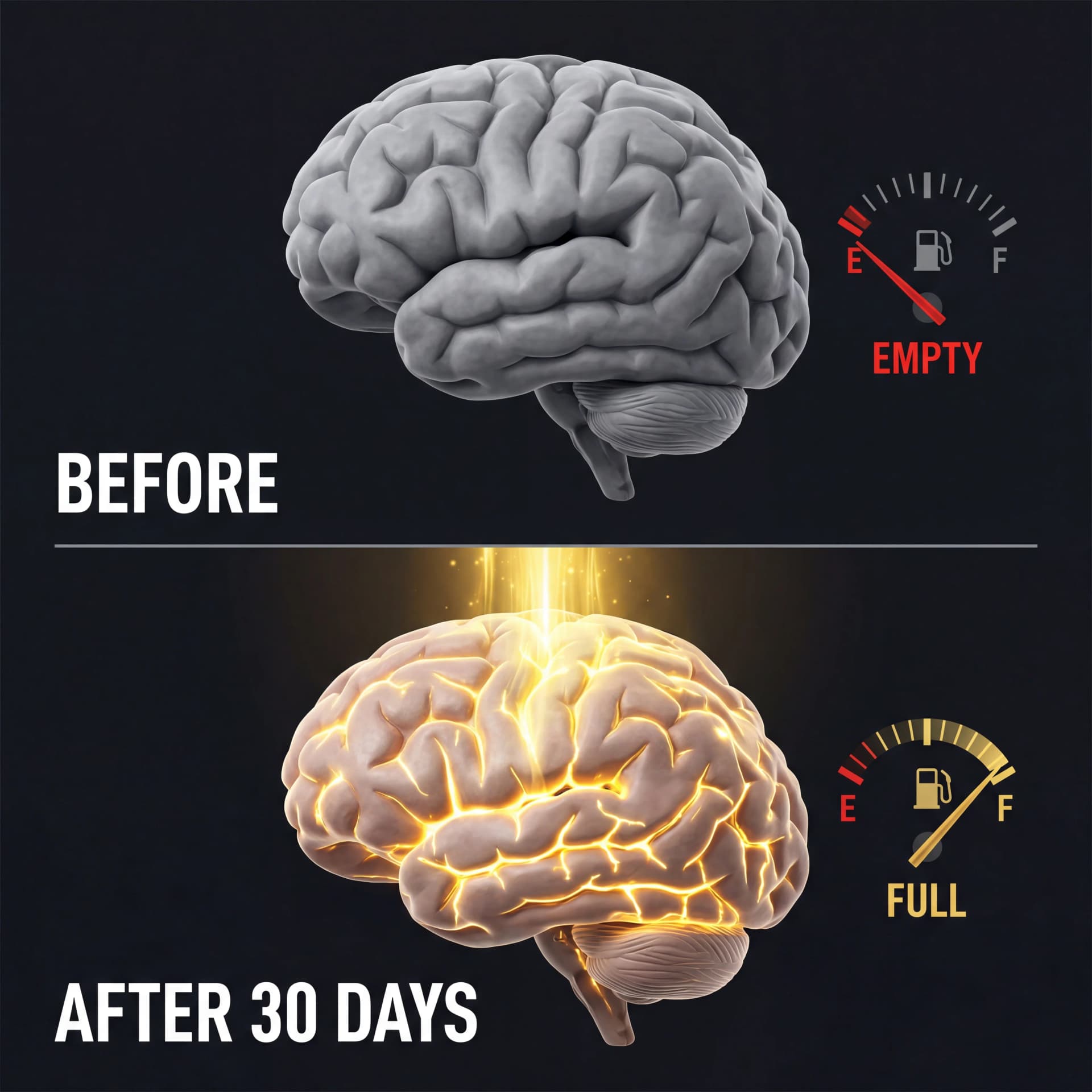
Left: Brain with full NAD+ supply — all neural pathways active. Right: NAD+ depleted brain — pathways dimming, signals delayed.
"Your brain is a city. At 25, every streetlight was on. By 45, entire neighbourhoods are going dark. The signals are delayed. Some don't fire at all. That's not dementia. That's fuel depletion."
— Dr. Sarah MitchellThe Three Mistakes Almost Everyone Makes
When the fog rolls in, people reach for the same three explanations. I did too. Here's why none of them are right:
Mistake #1: Blaming stress
"I'm just overwhelmed. Too much on my plate. Once things settle down, my brain will be fine."
It won't. Stress worsens the fog — the stress hormone cortisol burns through NAD+ even faster — but the fog was there before the stress got bad. The proof is your weekends. Your holidays. The fog doesn't lift when the pressure drops. It's there all the time now.
Mistake #2: Blaming age
"I'm 47. This is just what happens."
No. This is what happens when your brain's fuel supply drops by half and nobody tells you. Plenty of 70-year-olds are razor-sharp. Plenty of 42-year-olds can't remember where they parked. The difference isn't age. It's cellular energy.
Mistake #3: Trying brain supplements
Ginkgo biloba. Lion's Mane mushroom. Omega-3. B vitamins. Magnesium.
How many are in your drawer right now?
These supplements try to sharpen how your brain sends signals. But if the brain doesn't have enough energy to fire those signals in the first place, it doesn't matter. It's like upgrading the software on a laptop with a dying battery.
So What Actually Works?
For decades, the only way to raise NAD+ levels was through IV infusions at specialised clinics. Each session cost £250–500 and took 2–4 hours. Effective, but completely impractical for daily life.
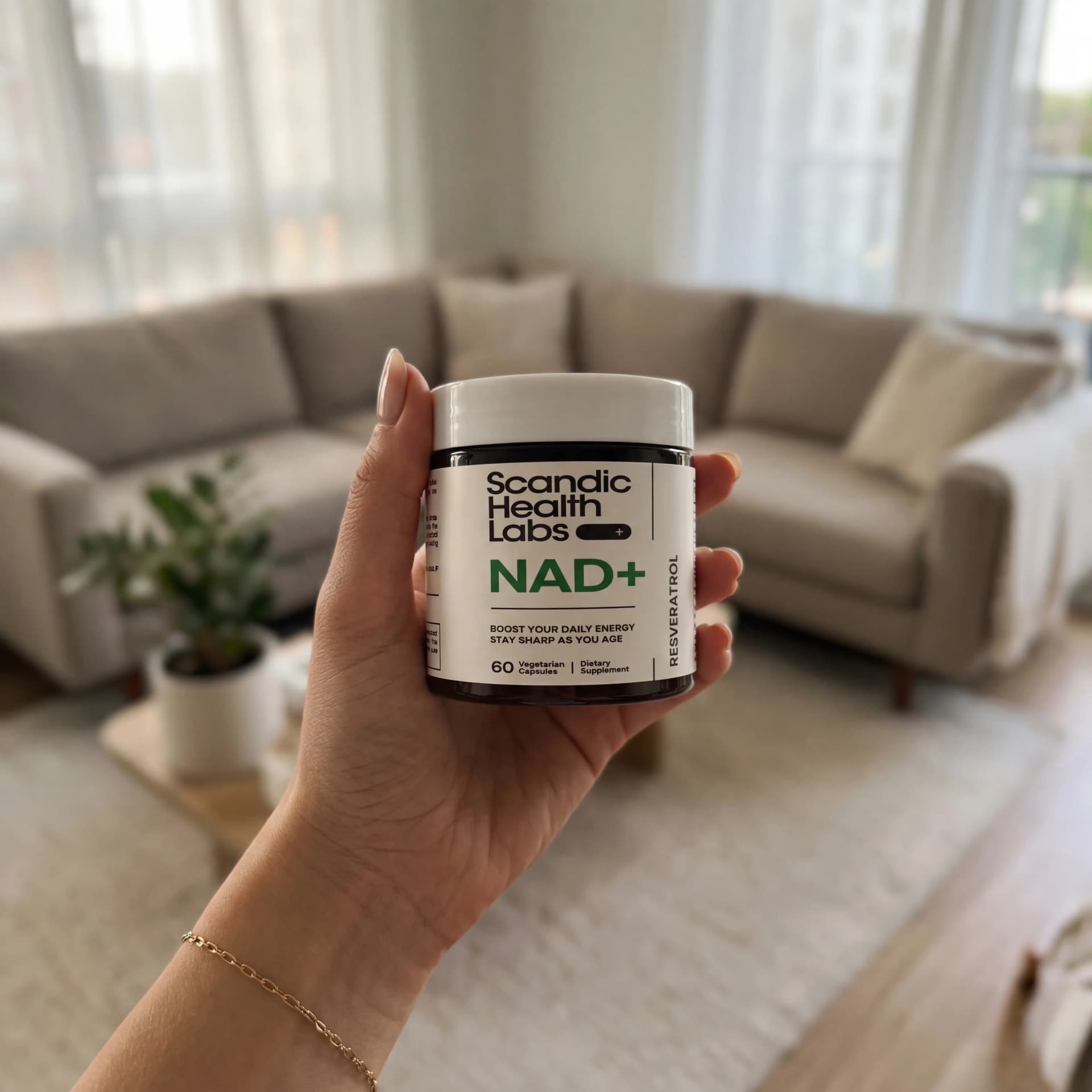
Then researchers found that NAD+ could be restored through an oral supplement. Taken as a daily capsule, it enters the bloodstream, reaches your brain, and gets to work where your cells need it most.
No IV drips. No clinic visits. No needles.
The research has been published in leading science journals including Nature and Science. Over 10,000 studies support the role of NAD+ in how your cells produce energy — and the brain research is some of the strongest.
What Happened When I Started Taking NAD+
I started with two capsules every morning with breakfast. Here's my timeline:
Week 1: Sleep Deepened
Not dramatically — but I noticed I was dreaming again. I hadn't dreamed in months. My Oura ring confirmed: 20 more minutes of deep sleep per night. The brain repairs itself during deep sleep. More fuel = deeper repair cycles.
Week 2: Word-Finding Improved
The pause shortened. Instead of a five-second blank, the word came in one or two seconds. The difference was noticeable in conversations. My husband said, "You seem more present."
Week 4: Sustained Focus Returned
I sat through a three-hour faculty meeting and followed every thread. I didn't zone out. I didn't need to re-read my notes afterward. When it was my turn to speak, the words were there. All of them.
Week 8: Sharp All Day
I presented at a conference in Munich. Larger audience. I didn't lose a single word. I didn't check my notes once during a 40-minute presentation. Afterward, a colleague said, "You're sharp today." I wanted to tell her I was sharp every day now.
NAD+ didn't make me smarter. It didn't give me superhuman focus. It gave me back what I'd lost: the clarity I used to take for granted, the way words came easily, the ability to hold a thought all the way to the end without it falling apart.


Comments